
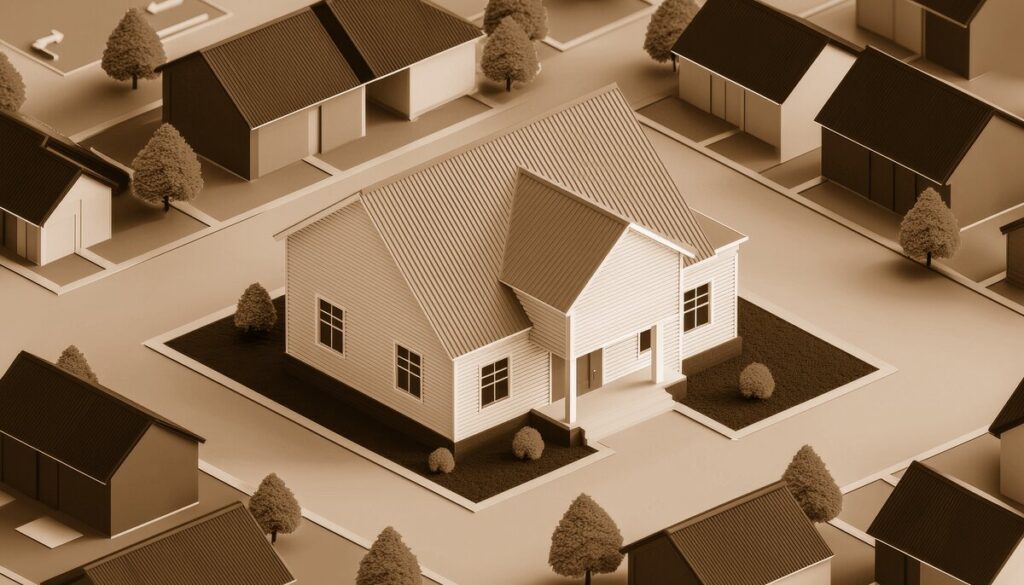
Greeley, Colorado, is a city woven with vibrant communities, and none exemplifies its deep historical roots quite like the Country Club neighborhood. Nestled in the northwestern pocket of Greeley, the Country Club area boasts tree-lined streets, charming homes, and a proud legacy that has grown alongside the city itself. Whether you’re a longtime resident, a new arrival, or simply curious about Greeley’s storied corners, the Country Club neighborhood stands as a testament to vision, community, and enduring charm.
The Origins: How Country Club Got Its Name
Like many classic neighborhoods in midwestern towns, the Country Club neighborhood in Greeley owes both its name and much of its early identity to the establishment it surrounded—the historic Greeley Country Club. Founded in 1920 and officially opening its doors in 1922, the Greeley Country Club quickly became a social and recreational hub.
Developers took note of the elegant, well-tended grounds and began to envision a residential district that matched the club’s prestige. In the decades that followed, homes began to spring up along the nearby lanes and avenues. Over time, the area’s reputation for leisure, refined living, and close-knit community cemented "Country Club" as not only a descriptor but as a neighborhood rich in character.
Key Historical Milestones
The story of Country Club is the story of Greeley’s growth and transformation. Significant moments in the neighborhood’s past have helped carve its unique identity:
- 1922: The founding of the Greeley Country Club at 4500 W 10th Street marked the beginning of the area’s evolution. The club golf course and its gracious facilities attracted residents and visitors alike.
- 1940s–1950s: Post-war prosperity brought a construction boom. Stately mid-century homes featuring large lots and mature trees began to line streets like 43rd Avenue and 20th Street.
- 1960s–1980s: Country Club Elementary (now closed) and nearby educational institutions contributed to the family-friendly atmosphere, drawing young families and professionals to the area. The neighborhood remained a site of stability even as Greeley expanded outward.
- Modern Era: As Greeley has grown, Country Club has adapted, fostering a mix of original owners and new generations of residents seeking the laid-back lifestyle close to Greeley’s heart yet removed from its busiest thoroughfares.
Notable Landmarks and Beloved Spaces
A drive or stroll through the neighborhood reveals landmarks and little community treasures:
- Greeley Country Club: The original anchor. Its rolling greens and stately clubhouse remain focal points for recreation and gatherings. The club’s golf course, tennis courts, and swimming pool are still in use, providing a sense of continuity for residents.
- Pheasant Run Park: Tucked in the southern portion of the neighborhood near 46th Avenue and W 14th Street, this park is a neighborhood favorite. Mature cottonwoods and playgrounds make it a gathering spot for picnics and outdoor fun.
- Tree-lined “Old Country Club” streets: East of 43rd Avenue, winding lanes like Cypress Drive, Pinehurst Drive, and Gleneagle Drive feature distinctive mid-century architecture and offer a living archive of Greeley’s postwar optimism.
- Proximity to Aims Community College: Just a short drive east along 20th Street, Aims exemplifies the neighborhood’s links to Greeley’s growth in education and opportunity.
Architectural Heritage and Neighborhood Character
One of the great joys of the Country Club neighborhood is its architectural diversity. The homes reflect nearly a century of changing styles and tastes:
- Classic mid-century ranches: Low, horizontal lines and sprawling lawns define the 1950s and 1960s homes along streets such as 44th Avenue Court. Many include original brickwork, hardwood floors, and wide picture windows to take in Colorado’s sunshine.
- Contemporary updates: In recent decades, new builds, tasteful remodels, and carefully preserved originals have given the Country Club streetscape enduring curb appeal. Mature landscaping—firs, aspens, and maples—adds shade and privacy.
- Community pride: Residents, both longstanding and new, take pride in home maintenance, seasonal landscaping, and the “open neighborhood” feel that welcomes walkers, cyclists, and families out enjoying all seasons.
Community: Past and Present
The Country Club neighborhood is unique not only for its origins and buildings but for its people. Over the decades, it has remained:
- A place of connection. Residents recall stories of summer block parties, annual Fourth of July fireworks enjoyed from backyard patios, and spontaneous games of catch in the park.
- A generational anchor. It’s not uncommon to meet neighbors whose families have lived in the area for two or three generations, testament to the stability and sense of belonging that is hard to find in newer developments.
- An evolving space. In recent years, the neighborhood’s blend of longtime and newer homeowners has sparked new traditions: charity drives, neighborhood cleanups, and an active neighborhood watch group that ensures Country Club stays safe and neighborly.
How Country Club Has Evolved
While change is inevitable, Country Club has retained its gracious personality. Challenges—ranging from the closure of its beloved elementary school to broader city growth—have been met with community spirit and creative reinvention. Today, residents continue to invest in their homes and parks, keep an eye out for one another, and champion both the historic and modern draws of the area.
As Greeley continues to grow, Country Club stands as a living story. Its quiet streets and strong sense of place offer a reminder of the enduring power of community—one where every season brings familiar faces, fresh sights, and the comforting rhythm of small-town life on the city’s edge.
Whether you’re passing through, visiting the club, or putting down roots, Country Club offers a slice of Greeley heritage that’s truly one-of-a-kind.